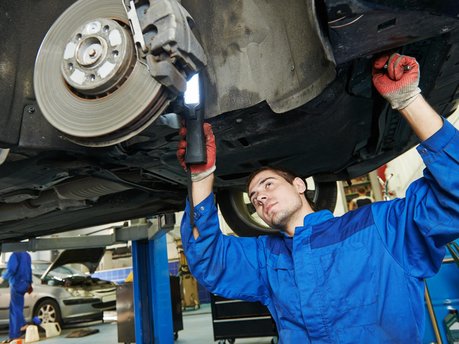
Brakes and brake pads
Common Noises, Warning Signs, Symptoms and How to Fix Them
Car Brakes: Common Noises, Warning Signs, Symptoms and How to Fix Them
Your car's braking system is one of its most important safety features. Whether you're driving around West Malling, commuting to work or travelling on the motorway, having brakes you can rely on is essential.
But how do you know when your brakes need attention?
Unusual noises, vibrations, warning lights or changes in how your brake pedal feels can all be signs that something isn't quite right. Some brake problems are relatively minor, while others can indicate serious faults that need immediate attention.
At West Malling Garage Ltd, we regularly inspect, diagnose and repair braking systems. In this guide, we'll explain the most common brake noises, the symptoms to look out for and what can be done to fix them.
1. Squeaking or Squealing Brakes
One of the most common complaints from drivers is a high-pitched squeaking or squealing noise when applying the brakes.
What causes squeaky brakes?
There are several possible reasons:
Worn brake pads: As brake pads wear down, the wear indicator can make contact with the brake disc, producing a high-pitched squeal.
Brake dust and dirt: Dust and debris can build up around the pads and discs, sometimes causing noise.
Glazed brake pads: Excessive heat can harden the surface of brake pads, causing them to become noisy.
Poor-quality or unsuitable brake components: Certain pads and discs can generate more noise than others.
Lack of lubrication: Incorrectly lubricated contact points can cause brake components to vibrate and squeak.
How can squeaky brakes be fixed?
Depending on the cause, the solution may include:
Inspecting and cleaning the braking system.
Replacing worn brake pads.
Replacing glazed or damaged brake discs.
Checking and lubricating the correct brake contact points.
Ensuring the correct brake components are fitted.
A squeaking noise shouldn't automatically be ignored, particularly if it is getting louder or becoming more frequent.
2. Grinding or Metal-on-Metal Noise When Braking
<INSERT IMAGE: Worn brake pads and damaged brake disc>
A grinding noise when braking is one of the most concerning warning signs.
If you hear a harsh scraping or grinding sound when applying the brakes, it could mean the brake pads have worn down completely.
What causes grinding brakes?
Common causes include:
Brake pads worn down to the metal backing plate.
Brake discs becoming badly scored or damaged.
Stones or debris trapped between the brake disc and backing plate.
Damaged or seized brake components.
When the metal backing plate of a brake pad makes contact with the brake disc, it can cause significant damage to the disc and reduce braking performance.
How can grinding brakes be fixed?
A professional inspection is required to establish the extent of the damage.
Repairs may involve:
Replacing the brake pads.
Replacing damaged brake discs.
Checking brake callipers for damage or seizure.
Inspecting the complete braking system.
Important: If your brakes are making a grinding noise, avoid driving the vehicle and arrange an inspection. Continuing to drive could make the damage considerably worse and compromise your safety.
3. Vibrations or Shaking Through the Steering Wheel When Braking
Does your steering wheel shake when you apply the brakes, particularly when slowing down from higher speeds?
This can be a sign of a problem with your brake discs or other braking and suspension components.
What causes brake vibrations?
Possible causes include:
Uneven brake disc thickness.
Disc surface deposits or uneven pad material transfer.
Warped or distorted brake discs.
Worn suspension bushes or steering components.
Incorrect wheel fitting or other wheel-related issues.
How can it be fixed?
A garage can inspect the brake discs, pads, suspension and steering components to identify the cause.
Depending on the findings, the repair may involve replacing brake discs and pads or repairing worn suspension components.
4. Brakes Making a Clicking or Clunking Noise
A clicking, knocking or clunking noise when applying or releasing the brakes can indicate that something is loose or worn.
What causes clicking or clunking brakes?
Potential causes include:
Loose brake pads.
Worn or damaged anti-rattle clips.
Incorrectly fitted brake components.
Worn brake calliper guide pins.
Loose calliper mounting bolts.
Worn suspension components.
How can it be fixed?
The braking system should be inspected to identify any loose, damaged or incorrectly fitted components.
Repairs may include replacing retaining clips, securing components correctly, servicing callipers or replacing worn parts.
5. Brake Pedal Feels Soft or Spongy
If your brake pedal feels softer than usual, travels further towards the floor or requires more pressure to stop the vehicle, this could indicate a hydraulic braking problem.
What causes a soft brake pedal?
Possible causes include:
Air trapped in the brake lines.
Brake fluid leaks.
Low brake fluid levels.
A failing master cylinder.
Deteriorated brake hoses.
Faults with the hydraulic braking system.
How can it be fixed?
A professional inspection is essential. Depending on the diagnosis, repairs may include:
Locating and repairing brake fluid leaks.
Replacing damaged brake hoses.
Bleeding the braking system.
Replacing faulty hydraulic components.
Checking and replenishing brake fluid to the correct specification.
Important: If your brake pedal feels unusually soft or sinks towards the floor, do not continue driving. Arrange professional assistance.
6. Car Pulling to One Side When Braking
If your vehicle pulls to the left or right when you apply the brakes, it could mean that the braking force is uneven between the wheels.
What causes a car to pull when braking?
Common causes include:
A sticking or seized brake calliper.
Unevenly worn brake pads.
Contaminated brake pads or discs.
A damaged brake hose.
Suspension or steering faults.
How can it be fixed?
A garage will need to inspect the braking system on both sides of the vehicle and check for uneven braking performance.
The repair could involve replacing brake pads, servicing or replacing a brake calliper, replacing a brake hose or addressing suspension problems.
7. Brake Warning Light Showing on Your Dashboard
A brake warning light should never be ignored.
Depending on your vehicle, the warning could indicate:
Low brake fluid.
A fault with the electronic braking system.
An issue with the ABS system.
A problem with the electronic parking brake.
A brake pad wear warning.
If a red brake warning light remains illuminated after releasing the handbrake, stop somewhere safe and check your vehicle handbook. Do not continue driving if there is a suspected braking fault.
An amber ABS warning light can indicate that the anti-lock braking system has developed a fault, even if conventional braking remains available.
A diagnostic inspection can help identify the cause.
When Should You Replace Your Brake Pads and Discs?
There isn't one fixed mileage for replacing brake pads and discs. Their lifespan depends on driving style, vehicle type, road conditions and how frequently the brakes are used.
As a general guide:
Brake pads: Often need replacing somewhere between 20,000 and 40,000 miles, although they can wear faster or last considerably longer.
Brake discs: Often last between 40,000 and 70,000 miles, depending on use and condition.
These are only approximate figures. Your brakes should be inspected regularly rather than relying on mileage alone.
Brake pads and discs should be replaced when they reach their manufacturer's minimum limits or become damaged, whichever comes first.
Why Is It Important to Have Your Brakes Checked?
Your braking system consists of several components that work together to bring your vehicle safely to a stop.
These include:
Brake pads.
Brake discs.
Brake callipers.
Brake fluid.
Brake hoses and pipes.
Master cylinder.
ABS components.
A problem with any of these components can affect your vehicle's braking performance.
Having your brakes checked regularly can help identify problems early, prevent further damage and keep you and your passengers safe.
Brake Repairs in West Malling, Kent
If your car is making unusual brake noises, suffering from vibrations, pulling to one side or displaying a brake warning light, don't leave it until the problem gets worse.
At West Malling Garage Ltd, we provide professional brake inspections, brake pad replacement, brake disc replacement, calliper repairs and general braking system diagnostics.
Our experienced team can identify the cause of your braking problem, explain the repairs required and provide advice to help keep your vehicle safe and roadworthy.
Whether you need new brake pads, replacement discs or a full brake system inspection, we're here to help.
Looking for reliable brake repairs in West Malling?
Contact West Malling Garage Ltd today to arrange a brake inspection or repair.
West Malling Garage Ltd
West Malling, Kent
Website: www.westmallinggarage.co.uk
Your safety matters. If you suspect a braking fault, arrange a professional inspection as soon as possible. If braking performance is reduced or a serious fault is suspected, do not drive the vehicle.
Frequently Asked Questions – Brake Repairs West Malling
1. How do I know if my car brakes need replacing?
Common signs include squeaking or grinding noises, vibrations when braking, longer stopping distances, a brake warning light or a brake pedal that feels different. If you notice any of these symptoms, arrange a professional brake inspection.
2. Why are my brakes squeaking?
Squeaking brakes can be caused by worn brake pads, brake dust, glazed pads, vibration or moisture on the brake discs. If the noise continues or gets worse, have your brakes checked.
3. Why do my brakes make a grinding noise?
A grinding noise can indicate that your brake pads have worn down to the metal backing plate, causing damage to the brake discs. This requires urgent attention. Avoid driving the vehicle and arrange professional assistance.
4. How long do brake pads last?
Brake pads typically last between 20,000 and 40,000 miles, although this depends on driving style, vehicle type and road conditions. Regular inspections help identify wear before it becomes a problem.
5. How often should brake discs be replaced?
Brake discs do not have a fixed replacement interval. They should be replaced when they become excessively worn, damaged, distorted or reach the manufacturer's minimum thickness.
6. Should brake pads and discs be replaced together?
Not always, but it is often recommended. If your brake discs are worn, scored or damaged, replacing them alongside the brake pads helps ensure effective braking and even contact between the components.
7. Why does my steering wheel shake when I brake?
Steering wheel vibration during braking can be caused by uneven brake disc surfaces, disc thickness variations or worn suspension components. A professional inspection will identify the underlying problem.
8. Why does my car pull to one side when braking?
This can indicate uneven braking performance, a sticking brake calliper, contaminated brake pads or a problem with the suspension. It should be inspected as soon as possible.
9. How much does brake pad and disc replacement cost?
The cost depends on your vehicle's make and model, the type of brake components required and whether front or rear brakes need replacing. Contact West Malling Garage Ltd for a quotation.
10. Can I drive with worn brake pads?
Driving with worn brake pads is unsafe and can cause damage to the brake discs. If you hear grinding noises or notice reduced braking performance, avoid driving and arrange an inspection.
11. How long does it take to replace brake pads and discs?
Brake pad and disc replacement commonly takes around 1–2 hours, depending on the vehicle and whether additional work is required.
12. Does West Malling Garage offer brake inspections?
Yes. West Malling Garage Ltd provides professional brake inspections and repairs in West Malling, Kent. We can check your brake pads, discs, callipers and other braking components and advise if any repairs are required.
13. Why is my brake pedal soft or spongy?
A soft or spongy brake pedal may indicate air in the braking system, low brake fluid, a hydraulic leak or a faulty master cylinder. Do not continue driving if your braking performance is affected. Arrange professional assistance.
14. Where can I get my brakes repaired in West Malling?
West Malling Garage Ltd provides brake inspections, brake pad replacement, brake disc replacement and general brake repairs in West Malling, Kent. Contact our team to arrange an inspection or repair.